Transport robots have revolutionized the way goods and materials are moved in various industries. As a leading supplier of transport robots, we understand the importance of optimizing transportation routes to enhance efficiency, reduce costs, and improve overall productivity. In this blog post, we will explore how our transport robots achieve route optimization and the benefits it brings to our customers.
Understanding the Basics of Route Optimization
Route optimization is the process of determining the most efficient path for a transport robot to travel from a starting point to a destination while considering various factors such as distance, time, traffic, and obstacles. By optimizing routes, transport robots can minimize travel time, reduce energy consumption, and avoid unnecessary detours, ultimately leading to significant cost savings and improved operational efficiency.
Key Factors in Route Optimization
Several factors play a crucial role in route optimization for transport robots. These include:

- Distance: Minimizing the distance traveled is a fundamental goal of route optimization. Our transport robots are equipped with advanced mapping and navigation systems that can calculate the shortest path between two points, taking into account the layout of the environment and any physical barriers.
- Time: In addition to distance, time is another important factor to consider. Our robots can factor in variables such as traffic conditions, speed limits, and the availability of charging stations to determine the fastest route. This is particularly important in time-sensitive applications where prompt delivery is essential.
- Obstacles: Transport robots need to navigate through complex environments that may contain various obstacles, such as static objects, moving vehicles, and pedestrians. Our robots are equipped with sensors and advanced algorithms that enable them to detect and avoid obstacles in real-time, ensuring a safe and efficient journey.
- Load Capacity: The weight and volume of the load being transported can also affect route optimization. Our transport robots are designed to handle different load capacities, and the route planning algorithm takes into account the specific requirements of the load to ensure stable and efficient transportation.
Advanced Technologies for Route Optimization
To achieve optimal route optimization, our transport robots incorporate a range of advanced technologies, including:
- Mapping and Localization: Our robots use high-precision mapping technology to create detailed maps of the environment. These maps provide a comprehensive understanding of the layout, including the location of obstacles, landmarks, and potential routes. By combining mapping data with real-time sensor information, the robots can accurately localize themselves within the environment and plan the most efficient route.
- Artificial Intelligence and Machine Learning: Artificial intelligence (AI) and machine learning (ML) algorithms are used to analyze large amounts of data and make intelligent decisions about route planning. These algorithms can adapt to changing conditions in real-time, such as traffic congestion or the appearance of new obstacles, and adjust the route accordingly.
- Sensor Fusion: Our robots are equipped with a variety of sensors, including lasers, cameras, and ultrasonic sensors, to gather information about the surrounding environment. Sensor fusion technology combines data from multiple sensors to provide a more accurate and comprehensive view of the environment, enabling the robots to make better decisions about route optimization.
Benefits of Route Optimization for Our Customers
By optimizing transportation routes, our transport robots offer several benefits to our customers, including:
- Cost Savings: Route optimization reduces the distance traveled and minimizes energy consumption, resulting in significant cost savings for our customers. Over time, these savings can add up and have a positive impact on the bottom line.
- Improved Efficiency: By taking the most efficient route, our transport robots can complete tasks faster and more accurately, improving overall operational efficiency. This allows our customers to increase productivity and meet their business goals more effectively.
- Enhanced Safety: Our robots are designed to navigate through complex environments safely. Route optimization helps to avoid potential hazards and reduces the risk of collisions, ensuring the safety of both the robot and the people and equipment in its vicinity.
- Flexibility and Adaptability: The advanced technologies used in our transport robots enable them to adapt to changing conditions in real-time. This means they can easily adjust their routes to accommodate unexpected events, such as traffic congestion or construction work, ensuring that deliveries are made on time.
Examples of Our Transport Robots and Route Optimization
We offer a wide range of transport robots for different applications, each designed to optimize transportation routes in its own way. Here are some examples:
- Road Inspection Robot: This robot is specifically designed for road inspection tasks. It uses advanced mapping technology to create a detailed map of the road network and plans the most efficient route to cover all inspection points. The robot can also detect and avoid obstacles such as potholes, debris, and other road hazards, ensuring a safe and thorough inspection.
- Medical Transportation Robots: In a healthcare setting, time is of the essence. Our medical transportation robots are equipped with AI and sensor fusion technology to optimize routes and ensure the fast and safe delivery of medical supplies, specimens, and equipment. The robots can navigate through busy hospital corridors, avoiding patients, staff, and other obstacles, and reach their destination in the shortest possible time.
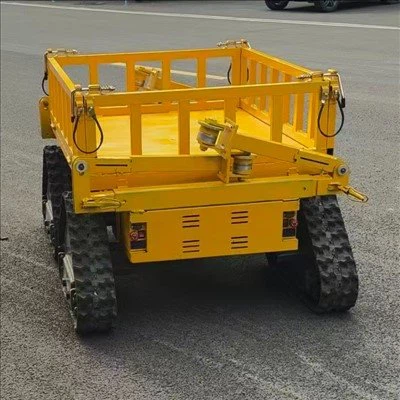
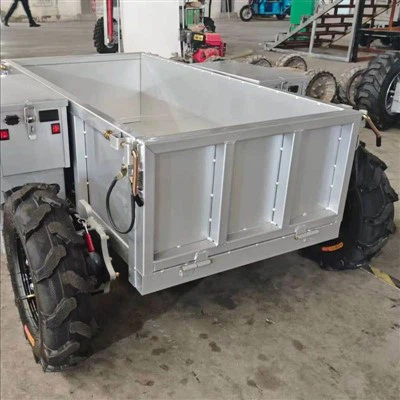
- Articulated Wheeled Carrier: This carrier is designed for heavy-duty transportation tasks in industrial environments. It has a large load capacity and is equipped with advanced mapping and navigation systems to optimize routes and ensure efficient transportation of large items. The robot can also adapt to different terrains and work in challenging conditions, making it a versatile solution for various industries.
- Indoor Follow Robot: Ideal for indoor logistics applications, our indoor follow robot can follow a designated person or object, optimizing its route based on the movement of the target. This allows for easy and efficient transportation of goods within a warehouse or factory, reducing the need for manual handling and improving productivity.
- Orchard Transporter: In the agricultural industry, our orchard transporter is designed to navigate through orchards and transport harvested fruits and vegetables. It uses advanced mapping technology to plan the most efficient route between trees, taking into account the layout of the orchard and the availability of pathways. The robot can also detect and avoid obstacles such as branches and uneven terrain, ensuring a smooth and efficient transportation process.
Conclusion
Route optimization is a critical aspect of transport robot technology. By leveraging advanced technologies such as mapping, AI, and sensor fusion, our transport robots can determine the most efficient routes, leading to significant cost savings, improved efficiency, enhanced safety, and increased flexibility. Whether it's for road inspection, medical transportation, industrial logistics, or agricultural applications, our range of transport robots offers customized solutions to meet the specific needs of our customers.
If you are interested in learning more about how our transport robots can optimize your transportation routes and improve your business operations, we invite you to engage in a purchase negotiation and explore the possibilities of integrating our advanced solutions into your workflow.
References
- Dorndorf, U., & Pesch, E. (2002). The single vehicle routing problem with time windows and driver breaks. European Journal of Operational Research, 136(2), 410 - 423.
- Gendreau, M., & Potvin, J. Y. (2010). Handbook of Metaheuristics. Springer Science & Business Media.
- Toth, P., & Vigo, D. (2002). The Vehicle Routing Problem. Society for Industrial and Applied Mathematics.