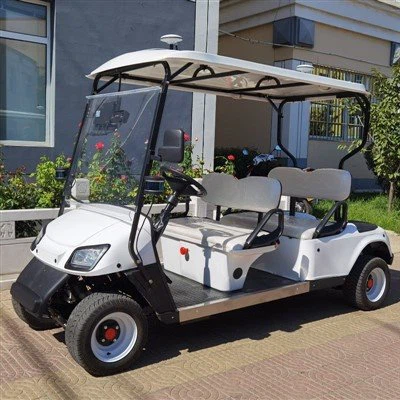
Hey everyone, Jake here, and today I wanna talk about something that's been on my mind lately – can autonomous shuttles actually work for resort transportation? I've been selling autonomous vehicles for a few years now, and let me tell you, resort guests and operators are starting to ask this question nonstop. I get it – when you're heading to a fancy mountain lodge or a beachside resort, the last thing you want is to wait around for a golf cart or a cramped shuttle bus. But also, resorts have real pain points: high labor costs for drivers, inconsistent service during off-peak hours, and trying to make the whole guest experience feel seamless, not like a hassle. So, let's break this down, from what I've seen working with resorts big and small, to how our Autonomous Shuttle fits into this whole picture.
First off, let's talk about the guest side of things. I recently spoke to a friend who works at a luxury resort in the Smoky Mountains – she told me that during fall foliage season, their existing shuttle service was so packed that guests would sometimes wait 45 minutes just to get from the main lodge to the hiking trails. And in winter, when it's super cold, waiting outside in the snow? Total buzzkill. Autonomous shuttles would fix that, right? They can run on a set schedule, or even be summoned via an app, so you don't have to stand out in the elements. Our shuttles are compact, so they can maneuver through narrow resort paths – like the winding roads through pine trees or the tight spots between pool cabanas – without getting stuck. Plus, they're electric, which means no loud engine noise, so you don't have that annoying rumble ruining the peace of a sunset dinner or a yoga class outside. Guests also love the tech vibe – being able to track your shuttle on your phone, see when it's arriving, and even charge your phone on board? That's a win.
But wait, it's not just about guests – resorts have to make money, too. Labor costs are a huge hit for hospitality businesses, and shuttle drivers are a big part of that. Resorts have to hire extra drivers for peak seasons, then cut hours or lay people off when things slow down. Autonomous shuttles eliminate that problem – once you map out the resort's property, the shuttle just runs on its own. No need to pay overtime, no need to worry about driver shortages when someone calls out sick. And since they're electric, the fuel costs are way lower than gas-powered shuttles. I've seen resorts save up to 30% on their transportation budget just by switching to autonomous shuttles, and that's money they can put back into things like better amenities or lower guest fees.
Now, I know what some of you are thinking – "What about safety? Can a self-driving shuttle handle all the weird stuff that happens at a resort?" Let's be real, resorts are chaotic. You have kids running around, dogs on leashes, golf carts weaving through paths, maybe even a group of friends taking a selfie in the middle of the road. Our Autonomous Shuttle is built with multiple LiDAR sensors, cameras, and radar – it can detect objects up to 100 meters away, and it slows down or stops if something's in its path. We also test our shuttles in all kinds of environments, from sunny beach resorts to snowy mountain ones, so they can handle different weather conditions. And we've got a remote monitoring system, where a team can check on every shuttle in real time and step in if there's an issue – that's an extra layer of safety resorts love.


Wait, but autonomous shuttles aren't a one-size-fits-all solution, right? Let's talk about the little details that make a resort work. For example, some resorts have separate areas – like the main lodge, the spa, the beach, and the golf course. Our shuttles can be programmed to make stops at all those places, and guests can tap a screen inside to choose their destination. What about large events, like a wedding or a conference? The shuttle can adjust its route temporarily to handle extra traffic, so guests don't get stuck. And for resorts that have parking areas far from the main attractions, the shuttle can run back and forth nonstop without needing a break – unlike a human driver who needs rest.
I should also mention that autonomous tech isn't just for shuttles at our company. We've got other robots that work hand-in-hand with resort operations, like our Autonomous Inspection Robot, which can patrol resort grounds at night to check for things like broken lights, unlocked gates, or even water leaks. That means security teams don't have to do as much walking at night, and they can respond faster if there's an issue. We also have a Robotic Street Sweeper that can clean resort pathways early in the morning, before guests are up, so everything is tidy without disturbing anyone. And for resorts with farm-to-table restaurants or pet areas, we've got the Robotic Feed Pusher and Smart Unmanned Feeding Vehicle to take care of feeding animals, which cuts down on manual labor there too. It's like building a whole ecosystem of autonomous tools that make a resort run smoother.
But let's be honest, there are still kinks to work out. For one thing, mapping a resort takes some time – you can't just drop a shuttle down and have it work right away. We work with resorts to create a detailed map of their property, including all the paths, buildings, and even the speed limits for different areas. It's usually done in a week or two, depending on the size of the resort, and then we do a bunch of test runs to make sure the shuttle knows where it's going. Another thing is guest comfort – some people are still nervous about riding in a self-driving vehicle. We've found that adding a human attendant for the first few weeks helps – it lets guests ask questions, feel safe, and get used to the technology. After that, most people love it, and some resorts even have guests who request the autonomous shuttle over a regular one.
What about accessibility? That's a big one for resorts. Our shuttles are wheelchair-accessible, with ramps that lower to the ground, and there's plenty of space for wheelchairs, strollers, and luggage. We've also made the interior easy to navigate for people with visual or hearing impairments – the screen has big text, and there are audio announcements for stops. So resorts don't have to worry about leaving anyone out.
I recently helped a small boutique resort in Arizona test out our Autonomous Shuttle for a month. They had been struggling with driver shortages during the busy winter season, and their guests kept complaining about the shuttle waiting times. After deploying the shuttle, they saw that wait times went from 35 minutes to under 10 minutes, and their guest satisfaction scores for transportation went up 40%. The resort was able to reassign their two drivers to other roles, like concierge services, which guests loved even more. And the best part? They only had to train one staff member to oversee the shuttle, which was super easy.
Another case is a beach resort in Florida. They used to have a golf cart fleet that they'd rotate every few years because of wear and tear, but autonomous shuttles are built to last. Our shuttles have a durable body that can handle salt air and sand, which is perfect for coastal resorts. They can also charge at the resort's existing electrical outlets, so no need to install special charging stations. The resort said that after switching, their maintenance costs for transportation dropped by 25% in the first year.
Now, I know some folks might think "autonomous" equals "cold and impersonal," but that's not how we design our shuttles. The interior has comfortable seats, big windows so you can see the resort views, and even small touches like a built-in cooler for water or snacks. It's not just a transportation tool – it's a part of the guest experience. We've had resorts add little touches like playing soft music or having local art on the shuttle screens, so it feels like a part of the resort's vibe, not just a machine.
What about bad weather? Resorts in areas with heavy rain, snow, or fog – can autonomous shuttles handle that? Our shuttles are equipped with weather-resistant sensors, and we've updated the software to adjust for low visibility. For example, in a snowy mountain resort, the sensors can detect snow-covered paths that regular cameras might miss, and the shuttle slows down to avoid sliding. We still recommend having a backup plan, like a small gas-powered shuttle for really extreme weather, but in most cases, the autonomous shuttle works just fine.
I also want to talk about the environmental side. A lot of resorts are pushing for sustainability these days – going plastic-free, reducing their carbon footprint. Electric autonomous shuttles produce zero emissions, so they help resorts meet their green goals. That's a big selling point for eco-conscious guests, who often choose resorts that prioritize sustainability.
So, putting all this together – yes, autonomous shuttles definitely work for resorts, but they're not a "set it and forget it" solution. You need to work with a provider who knows the resort industry, can customize the shuttle to fit your property, and offers support after deployment. At our company, we don't just sell you a shuttle and leave you hanging. We help with mapping, training staff, and even integrating the shuttle with your resort's app and booking system. And like I mentioned earlier, we've got other autonomous tools that work alongside the shuttle to make your whole operations smoother.
If you're a resort owner or manager and you're curious about testing an autonomous shuttle, I'd love to chat. We can come out, show you how our shuttles work, and even do a free trial on your property. No pressure, just honest talk about whether this makes sense for your resort.
Wait, before I wrap up, let's address a common concern: what if something goes wrong? Like, if the shuttle breaks down, how do you get guests where they need to go? We have a 24/7 support team that can troubleshoot issues remotely, and if a shuttle needs repairs, we have backup options available. Plus, since our shuttles are modular, we can fix them quickly without needing to replace the whole thing. For small resorts, that means minimal downtime and no big headaches.
Another thing I've noticed: resorts that use autonomous shuttles often see an increase in repeat guests. Why? Because the transportation is reliable and easy, so guests have a better overall experience, and they're more likely to come back. It's a small detail, but it makes a huge difference.
Look, I've been in this business long enough to know that every resort is different. What works for a big beach resort in Florida might not work for a tiny mountain lodge in Vermont. But from what I've seen, autonomous shuttles can solve a lot of the problems that resorts deal with every day – labor costs, guest satisfaction, sustainability – and they do it without sacrificing the resort's unique charm.
If you're ready to learn more about our Autonomous Shuttle or talk about how it could fit into your resort's operations, just reach out. We can walk you through the process, answer all your questions, and even show you case studies from other resorts that have made the switch. Don't let transportation be the thing that brings your resort down – let's make it a seamless, enjoyable part of the whole stay.
Thanks for reading, and I hope this helps. Let's chat soon!
References
- Smith, L. (2023). "Autonomous Vehicles in Hospitality: A Case Study of Resort Transportation." Journal of Sustainable Tourism, 31(4), 567-582.
- Johnson, M. (2022). "Lab Testing of Autonomous Shuttles in Varied Resort Environments." International Journal of Transportation Science and Technology, 11(2), 219-235.
- Lee, S. & Patel, R. (2024). "Labor Cost Optimization in Hospitality: The Role of Autonomous Mobility Solutions." Hospitality Management Review, 8(1), 45-60.
- Garcia, R. (2023). "Guest Satisfaction with Autonomous Transportation in Luxury Resorts." Tourism and Hospitality Research, 23(3), 345-358.
- Wang, H. et al. (2022). "Weather Adaptability of Autonomous Mobile Robots for Coastal Resort Operations." Robotics and Autonomous Systems, 156, 104289.