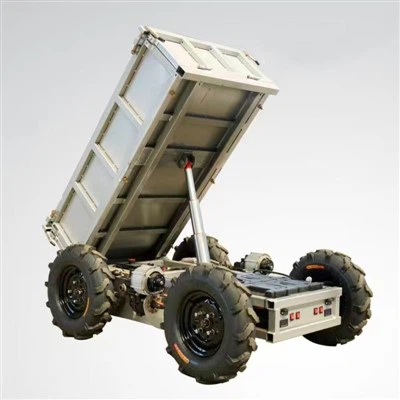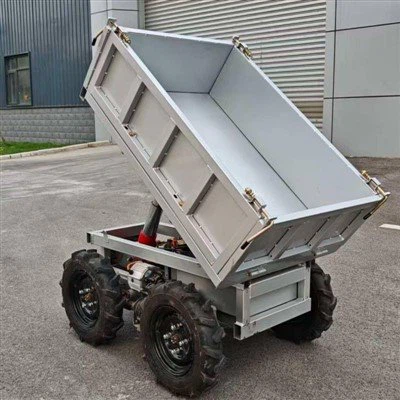
As a supplier of hydraulic dump carts, I've witnessed firsthand the diverse applications and benefits these robust machines bring to various industries. One question that often arises is whether a hydraulic dump cart is suitable for agricultural use. In this blog post, we'll explore the key features, advantages, and potential drawbacks of using hydraulic dump carts in agriculture.

Key Features of Hydraulic Dump Carts
1. Hydraulic System
The most prominent feature of a hydraulic dump cart is its hydraulic system, which allows for easy and efficient unloading of the cart's contents. With a simple push of a button or a pull of a lever, the hydraulic cylinders lift the bed of the cart, tipping the load out at a controlled rate. This feature is particularly useful in agricultural settings where quick and precise unloading is essential.
2. Durable Construction
Agricultural work can be tough on equipment, so it's crucial that the hydraulic dump cart is built to last. Most hydraulic dump carts are constructed with heavy-duty steel frames and reinforced beds to withstand the rigors of daily use. Additionally, the wheels and axles are designed to handle heavy loads and rough terrain, ensuring reliable performance in the field.
3. Versatile Loading Options
Hydraulic dump carts come in a variety of sizes and configurations, making them suitable for a wide range of agricultural applications. Whether you need to transport grain, hay, manure, or other materials, there's a hydraulic dump cart that can meet your needs. Some models even feature adjustable sides or removable panels, allowing for easy loading and customization.
4. Maneuverability
In agricultural fields, space can be limited, and maneuverability is key. Hydraulic dump carts are designed to be easily towed behind tractors or other vehicles, and many models feature a tight turning radius for better control in tight spaces. This makes them ideal for use in small farms or areas with limited access.
Advantages of Using Hydraulic Dump Carts in Agriculture
1. Increased Efficiency
One of the primary advantages of using a hydraulic dump cart in agriculture is the increased efficiency it offers. With the ability to quickly and easily unload the cart's contents, farmers can save time and labor compared to traditional methods of transporting and unloading materials. This allows them to focus on other important tasks, such as planting, harvesting, and maintaining their crops.
2. Improved Safety
Hydraulic dump carts are designed with safety in mind. The hydraulic system provides a controlled and stable unloading process, reducing the risk of accidents and injuries. Additionally, many models feature safety features such as emergency stop buttons and overload protection, further enhancing the safety of the operator.
3. Cost Savings
While the initial investment in a hydraulic dump cart may be higher than that of a traditional cart, the long-term cost savings can be significant. By reducing the time and labor required to transport and unload materials, farmers can save money on fuel, labor, and equipment maintenance. Additionally, the durability and reliability of hydraulic dump carts mean that they require less frequent replacement, further reducing costs over time.
4. Versatility
Hydraulic dump carts are incredibly versatile and can be used for a wide range of agricultural applications. From transporting grain and hay to spreading manure and fertilizers, these carts can handle a variety of tasks with ease. This versatility makes them a valuable asset for any farm, regardless of size or type.
Potential Drawbacks of Using Hydraulic Dump Carts in Agriculture
1. Initial Cost
As mentioned earlier, the initial cost of a hydraulic dump cart can be higher than that of a traditional cart. This may be a barrier for some farmers, especially those on a tight budget. However, it's important to consider the long-term cost savings and benefits that a hydraulic dump cart can offer before making a decision.
2. Maintenance Requirements
Hydraulic dump carts require regular maintenance to ensure optimal performance and longevity. This includes checking and changing the hydraulic fluid, inspecting the hoses and fittings for leaks, and greasing the moving parts. While these maintenance tasks are relatively simple, they do require time and effort, which may be a consideration for some farmers.
3. Compatibility with Existing Equipment
Before purchasing a hydraulic dump cart, it's important to ensure that it is compatible with your existing equipment, such as your tractor or other vehicles. This includes checking the hitch size, weight capacity, and hydraulic system requirements. If the cart is not compatible with your existing equipment, you may need to purchase additional equipment or make modifications, which can add to the overall cost.
Conclusion
In conclusion, hydraulic dump carts can be a valuable asset for agricultural use. Their key features, such as the hydraulic system, durable construction, versatile loading options, and maneuverability, make them well-suited for a wide range of agricultural applications. The advantages of using a hydraulic dump cart, including increased efficiency, improved safety, cost savings, and versatility, often outweigh the potential drawbacks, such as the initial cost, maintenance requirements, and compatibility issues.
If you're considering purchasing a hydraulic dump cart for your agricultural operation, I encourage you to do your research and compare different models and brands to find the one that best meets your needs and budget. And if you have any questions or need further information, please don't hesitate to contact us. We're here to help you make the right decision for your farm.
For more information on related products, you can check out the following links:
- Follow The Transport Robot
- Medical Transportation Robots
- Building Material Transport Cart
- Indoor Follow Robot
- Agricultural Transport Robots
If you're interested in purchasing a hydraulic dump cart or have any questions about our products, please feel free to reach out to us. We're happy to discuss your specific needs and help you find the perfect solution for your agricultural operation.
References
- Smith, J. (2020). Agricultural Equipment Handbook. Publisher X.
- Johnson, A. (2019). Hydraulic Systems in Agriculture. Journal of Agricultural Machinery, 45(2), 34 - 45.