What is the payload capacity of an Articulated Wheeled Carrier?
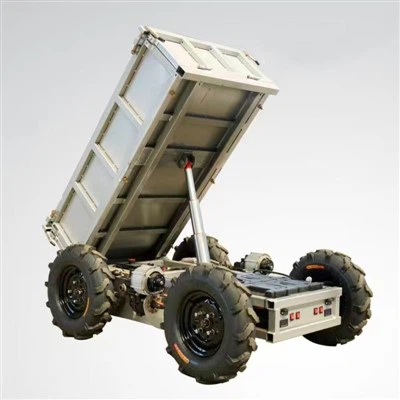
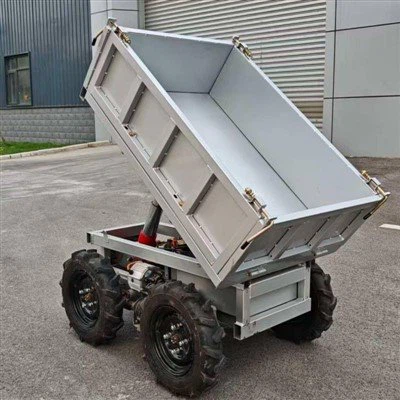
As a supplier of Articulated Wheeled Carriers, I often receive inquiries about the payload capacity of these remarkable machines. Understanding the payload capacity is crucial for customers as it directly impacts the efficiency and effectiveness of their operations. In this blog post, I will delve into the concept of payload capacity, factors that influence it, and how it relates to the performance of an Articulated Wheeled Carrier.
Defining Payload Capacity
Payload capacity refers to the maximum weight that an Articulated Wheeled Carrier can safely carry. This includes the weight of the cargo, as well as any additional equipment or materials that are loaded onto the carrier. It is an important specification because it determines the amount of work that the carrier can perform in a single trip. Exceeding the payload capacity can lead to safety hazards, increased wear and tear on the machine, and reduced operational efficiency.
Factors Influencing Payload Capacity
Several factors influence the payload capacity of an Articulated Wheeled Carrier. These include the design and construction of the carrier, the type of terrain it will be operating on, and the intended use of the machine.
- Design and Construction: The design and construction of an Articulated Wheeled Carrier play a significant role in determining its payload capacity. Carriers with a robust frame, strong axles, and high - quality suspension systems are generally capable of carrying heavier loads. Additionally, the distribution of weight across the carrier is important. A well - designed carrier will evenly distribute the load to prevent excessive stress on any one part of the machine.
- Terrain: The type of terrain on which the Articulated Wheeled Carrier will operate also affects its payload capacity. On flat, hard surfaces, the carrier can typically carry its maximum rated payload. However, on rough, uneven, or soft terrain, the payload capacity may need to be reduced. This is because the carrier has to work harder to move across difficult terrain, and carrying a heavy load can put additional strain on the machine's components.
- Intended Use: The intended use of the Articulated Wheeled Carrier can also impact its payload capacity. For example, if the carrier is used for short - distance hauling on a construction site, it may be able to carry a heavier load compared to a carrier that is used for long - distance transportation. This is because long - distance transportation requires the carrier to maintain a consistent speed and may involve more challenging driving conditions.
Payload Capacity in Different Models
Articulated Wheeled Carriers come in a variety of models, each with its own specific payload capacity. Smaller models may have a payload capacity of around 5 - 10 tons, while larger, more heavy - duty models can carry up to 40 tons or more. When choosing an Articulated Wheeled Carrier, it is important to select a model with a payload capacity that meets your specific needs.
For instance, if you are involved in small - scale construction projects, a carrier with a lower payload capacity may be sufficient. On the other hand, if you are working on large - scale mining or infrastructure projects, you will likely need a carrier with a higher payload capacity.
Importance of Payload Capacity in Operations
The payload capacity of an Articulated Wheeled Carrier has a direct impact on the efficiency and profitability of operations. A carrier with a higher payload capacity can transport more materials in a single trip, reducing the number of trips required to complete a job. This not only saves time but also reduces fuel consumption and labor costs.
Moreover, a carrier with an appropriate payload capacity can help to ensure the safety of the operators and the integrity of the machine. By not overloading the carrier, you can prevent mechanical failures, tire blowouts, and other safety hazards.


Comparing with Other Transport Solutions
When considering transport solutions, it is interesting to compare the Articulated Wheeled Carrier with other options such as the Goods Transport Stair Climber Robot. While the stair - climber robot is designed for more specialized tasks, such as transporting goods up and down stairs, the Articulated Wheeled Carrier is better suited for large - scale, open - terrain transportation. The payload capacity of an Articulated Wheeled Carrier is generally much higher than that of a stair - climber robot, making it ideal for moving large volumes of materials.
How to Determine the Right Payload Capacity for Your Needs
To determine the right payload capacity for your needs, you should consider the following steps:
- Assess Your Requirements: First, assess the type and volume of materials that you need to transport. Consider the weight, size, and shape of the materials, as well as the frequency of transportation.
- Evaluate the Terrain: Evaluate the terrain on which the carrier will operate. If the terrain is rough or soft, you may need to choose a carrier with a lower payload capacity to ensure safe and efficient operation.
- Consider Future Growth: Think about your future business needs. If you expect your operations to grow in the future, it may be wise to choose a carrier with a slightly higher payload capacity than you currently require.
Conclusion
In conclusion, the payload capacity of an Articulated Wheeled Carrier is a critical factor that should not be overlooked. It is influenced by various factors such as design, terrain, and intended use. By understanding these factors and choosing a carrier with the appropriate payload capacity, you can ensure the safety, efficiency, and profitability of your operations.
If you are in the market for an Articulated Wheeled Carrier and need help determining the right payload capacity for your needs, or if you have any other questions about our Articulated Wheeled Carrier products, please do not hesitate to contact us. Our team of experts is ready to assist you in making the right choice for your business.
References
- "Heavy Equipment Handbook" - A comprehensive guide on the design and operation of heavy - duty vehicles.
- Industry reports on the performance and capabilities of Articulated Wheeled Carriers from leading manufacturers.