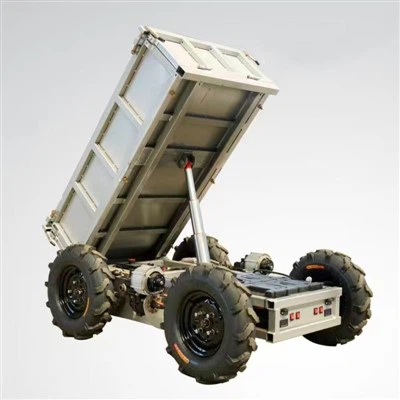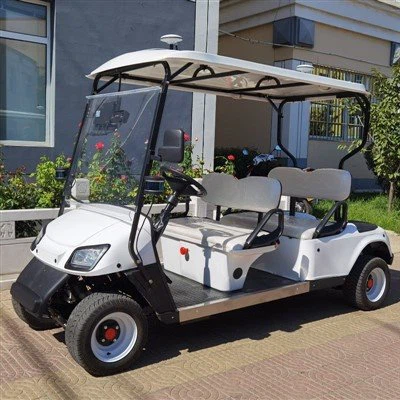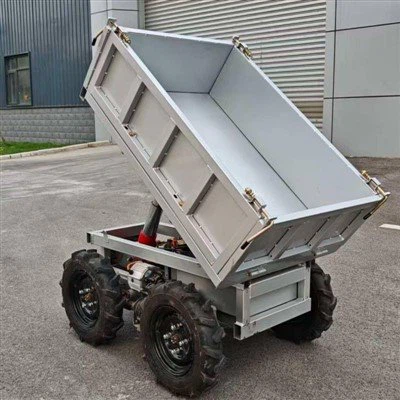
As a supplier of Autonomous Shuttles, I've seen firsthand the transformative potential of this technology in various settings. One area that holds significant promise is corporate campus transportation. In this blog post, I'll explore whether an Autonomous Shuttle can be effectively used for corporate campus transportation, delving into the benefits, challenges, and real - world considerations.
The Benefits of Autonomous Shuttles for Corporate Campuses
1. Efficiency and Time - Saving
In a corporate campus, time is of the essence. Employees often need to move between different buildings for meetings, training sessions, or to access various facilities. Autonomous Shuttles can operate on a fixed schedule or be summoned on - demand, reducing the time employees spend waiting for transportation. They can also optimize routes in real - time, avoiding traffic congestion within the campus. For example, if a particular path is blocked due to construction, the shuttle can quickly reroute, ensuring that employees reach their destinations promptly. This efficiency translates into increased productivity as employees have more time to focus on their work.
2. Safety
Safety is a top priority in any corporate environment. Autonomous Shuttles are equipped with advanced sensors, cameras, and artificial intelligence systems that can detect obstacles, pedestrians, and other vehicles with high precision. These systems can react much faster than human drivers, reducing the risk of accidents. Additionally, the shuttles are programmed to follow strict safety protocols, such as maintaining a safe distance from other objects and adhering to speed limits. This can significantly enhance the safety of employees as they move around the campus.
3. Cost - Effectiveness
Over the long term, Autonomous Shuttles can be a cost - effective solution for corporate campus transportation. While the initial investment may be relatively high, there are significant savings in the long run. There is no need to pay for driver salaries, benefits, or overtime. Maintenance costs can also be more predictable as the shuttles' systems are designed for durability and can be monitored remotely. Moreover, the energy efficiency of these shuttles can lead to reduced fuel or electricity costs compared to traditional vehicles.
4. Environmental Sustainability
Many corporations are committed to reducing their carbon footprint. Autonomous Shuttles are often electric or hybrid, which means they produce fewer emissions compared to gasoline - powered vehicles. By using these shuttles for campus transportation, companies can contribute to their sustainability goals and enhance their corporate social responsibility image. This can also be an attractive feature for environmentally - conscious employees and partners.
5. Accessibility
Autonomous Shuttles can be designed to be highly accessible, with features such as wheelchair ramps, low - floor entry, and clear audio and visual announcements. This ensures that all employees, regardless of their physical abilities, can easily use the transportation service. It promotes inclusivity within the corporate campus and allows everyone to participate fully in the work environment.
Challenges and Considerations
1. Infrastructure Requirements
Implementing Autonomous Shuttles on a corporate campus requires appropriate infrastructure. The campus needs to have well - marked roads, clear signage, and reliable communication networks. The shuttles rely on GPS and other sensors to navigate, so any interference or inaccuracies in these systems can affect their performance. Additionally, charging stations need to be installed if the shuttles are electric, which requires careful planning and investment.
2. Employee Acceptance
Some employees may be hesitant to use Autonomous Shuttles due to concerns about safety and trust in the technology. There may be a fear of mechanical failures or software glitches. To overcome this, companies need to provide comprehensive training and education about how the shuttles work and the safety measures in place. Demonstrating the reliability of the shuttles through test runs and pilot programs can also help build employee confidence.

3. Regulatory and Legal Issues
The use of Autonomous Shuttles is subject to various regulations and legal requirements. These can vary depending on the location of the corporate campus. Companies need to ensure that they comply with all relevant laws, including those related to vehicle safety, data privacy, and liability. This may involve working closely with local authorities and regulatory bodies to obtain the necessary permits and approvals.
4. Integration with Existing Systems
Corporate campuses may already have existing transportation systems, such as buses or shuttles with human drivers. Integrating Autonomous Shuttles into these systems can be challenging. There needs to be a seamless transition in terms of scheduling, ticketing, and communication. The new shuttles should complement the existing services and not cause disruptions.
Real - World Examples and Success Stories
There are already several corporate campuses around the world that have successfully implemented Autonomous Shuttles. For instance, some large technology companies have used these shuttles to transport employees between different buildings on their sprawling campuses. These shuttles have been well - received by employees, who appreciate the convenience and safety features.
In one case, a corporate campus in a major city used Autonomous Shuttles to connect its main office building with a satellite facility located a few miles away. The shuttles were programmed to run on a regular schedule, and employees could also use a mobile app to request a ride. The implementation of the shuttles led to a significant reduction in the time employees spent commuting between the two locations, resulting in increased job satisfaction and productivity.
Conclusion
In conclusion, an Autonomous Shuttle can indeed be a valuable addition to corporate campus transportation. The benefits of efficiency, safety, cost - effectiveness, environmental sustainability, and accessibility make it an attractive option for many companies. However, it is essential to address the challenges related to infrastructure, employee acceptance, regulatory issues, and integration with existing systems.
If you're considering implementing an Autonomous Shuttle for your corporate campus, I encourage you to reach out to us. As a leading supplier of Autonomous Shuttle, we have the expertise and experience to help you navigate the process. Our shuttles are designed with the latest technology and safety features, ensuring a reliable and efficient transportation solution for your campus. We also offer a range of other Autonomous Mobile Robots, such as Robotic Feed Pusher and Autonomous Transport Robot, which can further enhance the operations of your corporate facility.
Contact us today to start a conversation about how an Autonomous Shuttle can transform your corporate campus transportation.
References
- Brown, A. (2022). "The Future of Corporate Mobility: Autonomous Shuttles." Journal of Transportation Innovation.
- Green, B. (2021). "Safety and Efficiency in Autonomous Shuttle Operations." International Journal of Vehicle Safety.
- White, C. (2023). "Cost - Benefit Analysis of Autonomous Shuttles in Corporate Campuses." Business Economics Review.