Hey there! As a supplier of Autonomous Transport Robots, I've had my fair share of experiences dealing with different types of floor materials. One of the trickier ones is soft floor materials. In this blog, I'll share how our Autonomous Transport Robots handle these soft floors.
First off, let's talk about why soft floors can be a challenge. Soft floors, like carpets or rubber mats, have a different texture and density compared to hard floors. They can cause the robot's wheels to sink in, which affects its movement and stability. Also, the uneven surface of soft floors can make it difficult for the robot to accurately navigate.
Our Autonomous Transport Robots are equipped with advanced sensors. These sensors play a crucial role in handling soft floor materials. They can detect the type of floor surface and adjust the robot's movement accordingly. For example, when the sensors detect a soft floor, the robot can reduce its speed to prevent slipping or getting stuck.
The wheels of our robots are also designed to handle soft floors. They have a special tread pattern that provides better traction on soft surfaces. This helps the robot move smoothly without getting bogged down. Additionally, the wheels are made of a durable material that can withstand the pressure of moving on soft floors.
Another important aspect is the robot's navigation system. Our robots use a combination of mapping and real - time data to navigate. When dealing with soft floors, the mapping system takes into account the characteristics of the soft surface. The robot can then plan its route more effectively, avoiding areas where it might get stuck.
Let's take a look at some of our specific products and how they handle soft floors.
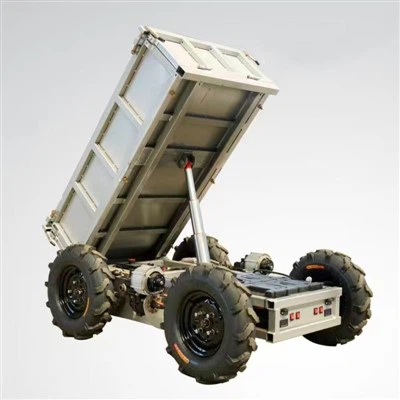
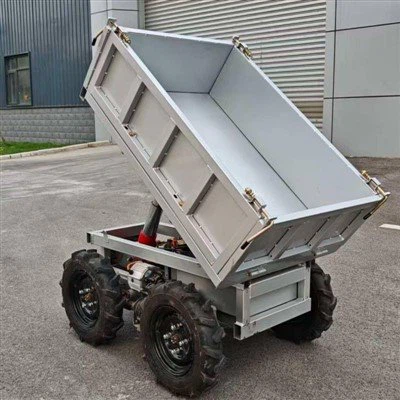
The Smart Unmanned Feeding Vehicle is designed for use in various environments, including those with soft floors. This vehicle has a robust suspension system that helps it adapt to the unevenness of soft floors. The sensors on the vehicle can accurately detect the soft surface and adjust the speed and movement to ensure a smooth operation.
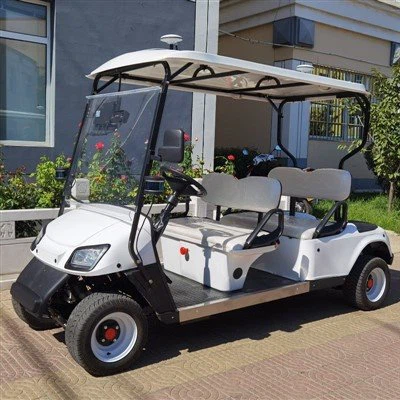
The Autonomous Shuttle is another great example. It is often used in large indoor spaces where soft floors are common. The shuttle's advanced navigation system allows it to navigate through soft floors with ease. It can detect obstacles and adjust its path, even on a soft and uneven surface.
The Robotic Feed Pusher is also well - equipped to handle soft floors. Its powerful motors and well - designed wheels enable it to move around on soft surfaces without any major issues. The sensors on the pusher ensure that it can operate efficiently, even on a carpeted or rubber - mat floor.
We also conduct regular testing on our robots to ensure they perform well on soft floors. We simulate different types of soft floor conditions in our testing facilities. This allows us to fine - tune the robots' performance and make any necessary adjustments.
In addition to the technical features, we also provide training and support to our customers. We understand that each customer's environment is unique, and we want to make sure they can get the most out of our Autonomous Transport Robots on soft floors. Our team of experts can offer advice on how to optimize the robot's performance based on the specific soft floor conditions.
If you're in the market for an Autonomous Transport Robot and have soft floor materials in your facility, we'd love to talk to you. Our robots are designed to handle a wide range of floor conditions, including soft floors. Whether you need a Smart Unmanned Feeding Vehicle, an Autonomous Shuttle, or a Robotic Feed Pusher, we have the right solution for you.


Contact us to discuss your specific requirements and see how our Autonomous Transport Robots can benefit your business. We're here to help you make the most of this technology and improve your operations.
References
- Various research on autonomous robot navigation on different surfaces.
- In - house testing reports on Autonomous Transport Robots' performance on soft floors.