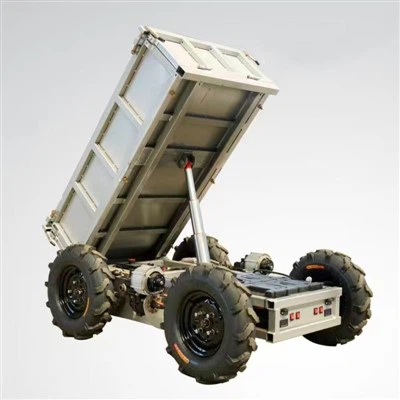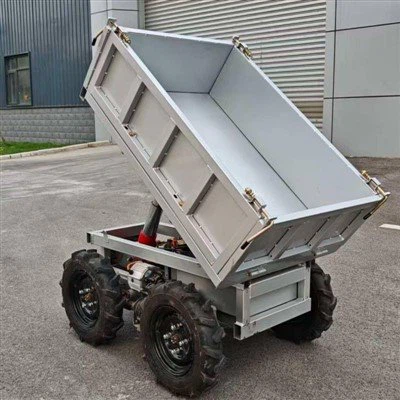
Installing a braking system on a robot chassis is a crucial step in ensuring the safety and functionality of your robot. As a robot chassis supplier, I've seen firsthand the importance of a well - installed braking system. In this blog, I'll guide you through the process of installing a braking system on a robot chassis, covering everything from understanding the types of braking systems to the actual installation steps.
Understanding Braking Systems for Robot Chassis
Before we start the installation process, it's essential to understand the different types of braking systems available for robot chassis. There are mainly two types: mechanical and electrical braking systems.
Mechanical Braking Systems
Mechanical braking systems work by using physical force to stop the movement of the robot. This can be achieved through friction, such as using brake pads against a rotating wheel or a drum. One of the advantages of mechanical braking systems is their simplicity and reliability. They are less likely to be affected by electrical malfunctions. However, they may require regular maintenance to ensure the brake pads are in good condition.
Electrical Braking Systems
Electrical braking systems, on the other hand, use electrical energy to slow down or stop the robot. This can be done through regenerative braking, where the motor acts as a generator, converting the kinetic energy of the robot into electrical energy. Electrical braking systems are often more efficient and can provide a smoother braking experience. But they are more complex and may require a more sophisticated control system.
Selecting the Right Braking System for Your Robot Chassis
The choice of braking system depends on several factors, including the type of robot chassis, the weight of the robot, and the intended application.
Type of Robot Chassis
There are various types of robot chassis available, such as Military Transportation Robots, Tank Tread Robot, Eight - wheeled Drive Robot Chassis, Outdoor Robot Chassis, and 4 Wheel Robot Chassis. Each type has different requirements for a braking system. For example, a tracked robot chassis may require a more powerful braking system due to the higher friction and weight compared to a wheeled robot chassis.
Weight of the Robot
The weight of the robot is another important factor. A heavier robot will require a more powerful braking system to stop it effectively. If the braking system is too weak, the robot may not be able to stop in time, which can lead to safety hazards.
Intended Application
The intended application of the robot also plays a role in selecting the braking system. For example, if the robot is used in a high - speed environment, a more responsive and powerful braking system is needed. On the other hand, if the robot is used in a low - speed or indoor environment, a less powerful braking system may be sufficient.
Tools and Materials Required for Installation
Before you start the installation process, you'll need to gather the necessary tools and materials. Here's a list of what you'll need:


- Braking system components (brake pads, calipers, cables, etc. for mechanical systems; motor controllers, resistors, etc. for electrical systems)
- Wrenches and screwdrivers of various sizes
- Measuring tape
- Lubricant
- Safety goggles and gloves
Installation Steps
Step 1: Prepare the Robot Chassis
First, make sure the robot chassis is clean and free of any debris. Remove the wheels or tracks if necessary to access the braking system installation points. It's also a good idea to disconnect the power source to avoid any electrical accidents.
Step 2: Install the Braking System Components
- Mechanical Braking Systems:
- Mount the brake calipers on the appropriate locations on the robot chassis. Use the wrenches to tighten the bolts securely.
- Install the brake pads into the calipers. Make sure they are properly aligned and seated.
- Connect the brake cables to the calipers and the brake lever or pedal. Adjust the tension of the cables so that the brakes engage and disengage smoothly.
- Electrical Braking Systems:
- Install the motor controller in a suitable location on the robot chassis. Make sure it is well - ventilated to prevent overheating.
- Connect the motor to the controller according to the manufacturer's instructions.
- Install any additional components, such as resistors, if required. These components are used to dissipate the electrical energy generated during braking.
Step 3: Test the Braking System
Once the braking system is installed, it's important to test it to ensure it is working properly. Reconnect the power source and slowly move the robot forward. Apply the brakes and check if the robot stops smoothly and quickly. If there are any issues, such as a delay in braking or a strange noise, check the installation and make the necessary adjustments.
Step 4: Fine - Tuning
After testing, you may need to fine - tune the braking system. For mechanical systems, adjust the tension of the brake cables. For electrical systems, adjust the parameters of the motor controller to optimize the braking performance.
Maintenance of the Braking System
Regular maintenance of the braking system is essential to ensure its long - term performance and safety. Here are some maintenance tips:
- Mechanical Braking Systems:
- Check the brake pads regularly for wear and tear. Replace them if they are too thin.
- Lubricate the brake calipers and cables to ensure smooth operation.
- Inspect the brake cables for any signs of damage or fraying.
- Electrical Braking Systems:
- Check the motor controller for any error messages or malfunctions.
- Inspect the connections between the motor and the controller to ensure they are secure.
- Monitor the temperature of the motor and the controller to prevent overheating.
Conclusion
Installing a braking system on a robot chassis is a complex but essential process. By understanding the different types of braking systems, selecting the right one for your robot chassis, and following the installation steps carefully, you can ensure the safety and functionality of your robot. As a robot chassis supplier, we are committed to providing high - quality chassis and support for your robot projects. If you are interested in purchasing a robot chassis or need more information about braking systems, please feel free to contact us for a purchase negotiation.
References
- "Robot Chassis Design and Development" - A technical guidebook on robot chassis design.
- Manufacturer's manuals for the braking system components.